European Energy Trends
2025
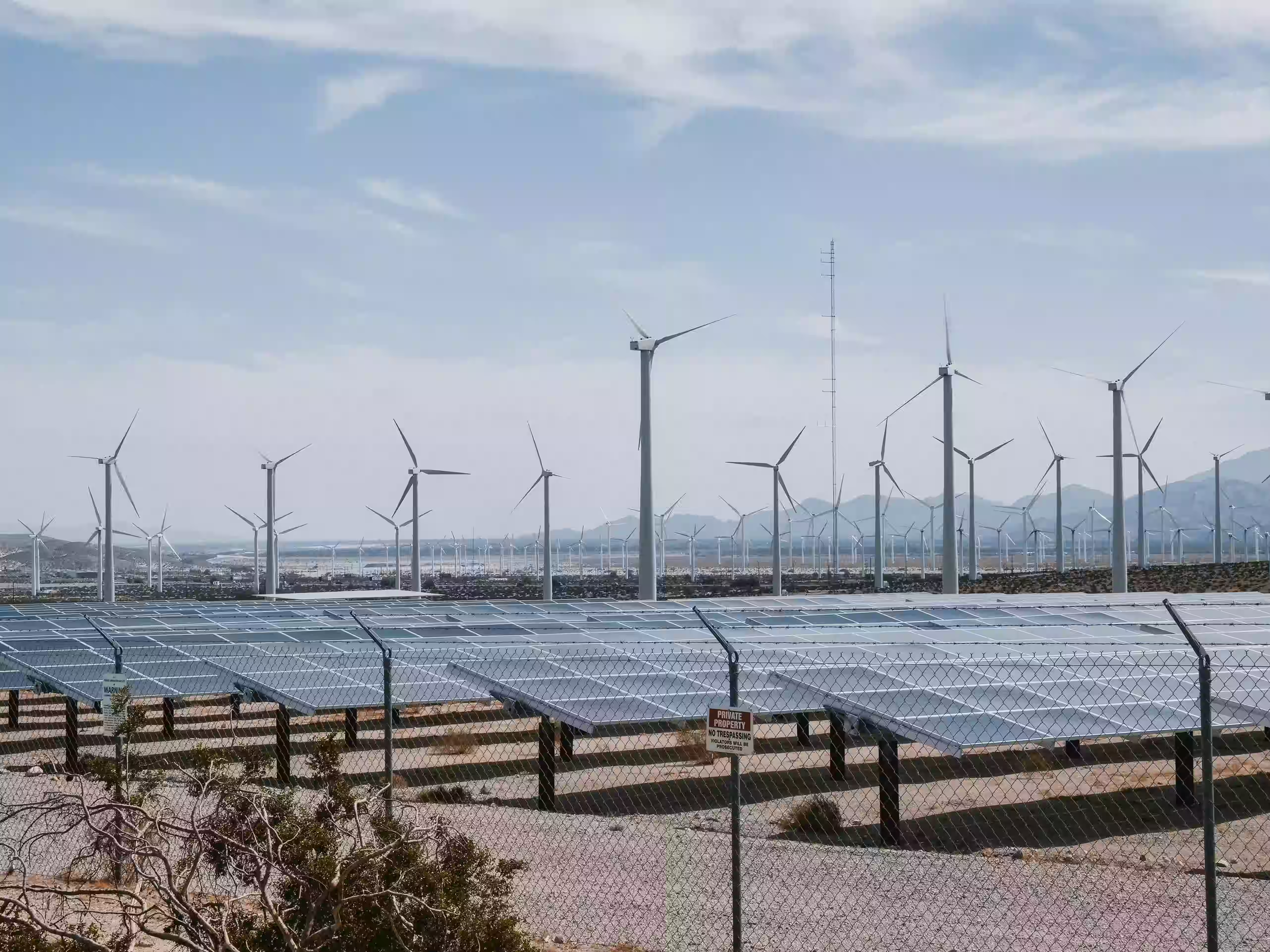
the European Union has crossed a historic threshold: Solar became the continent’s largest electricity source, wind surged to record levels, and renewables reached nearly half of EU generation. Explore how wind, solar, and storage are reshaping Europe’s energy future.
The Year at a Glance
2025 redefined Europe’s energy landscape. Renewables reached historic shares of the electricity mix, solar overtook fossil fuels as the leading source, and storage infrastructure scaled rapidly to meet grid demands. These figures capture the core shifts that shaped the year.
42
%
Increase in total solar capacity
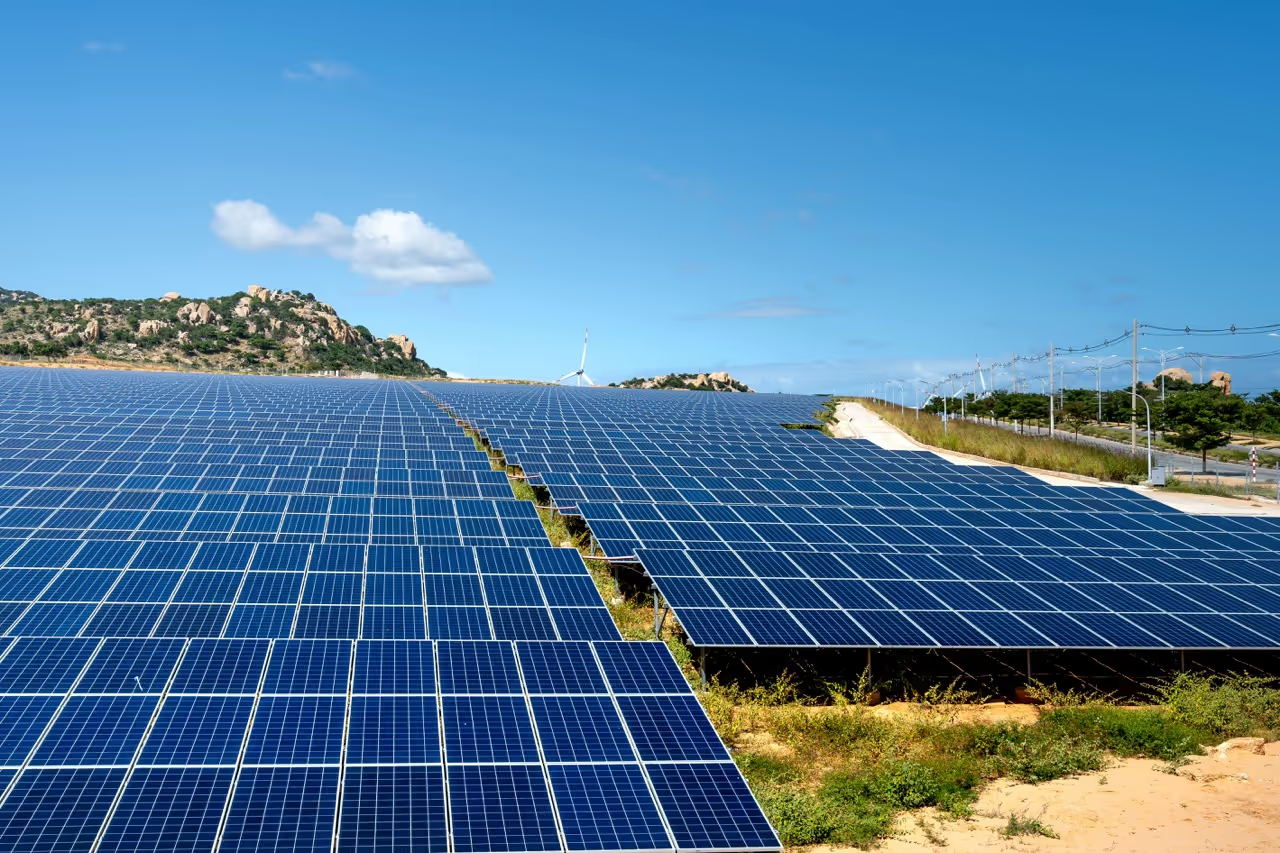
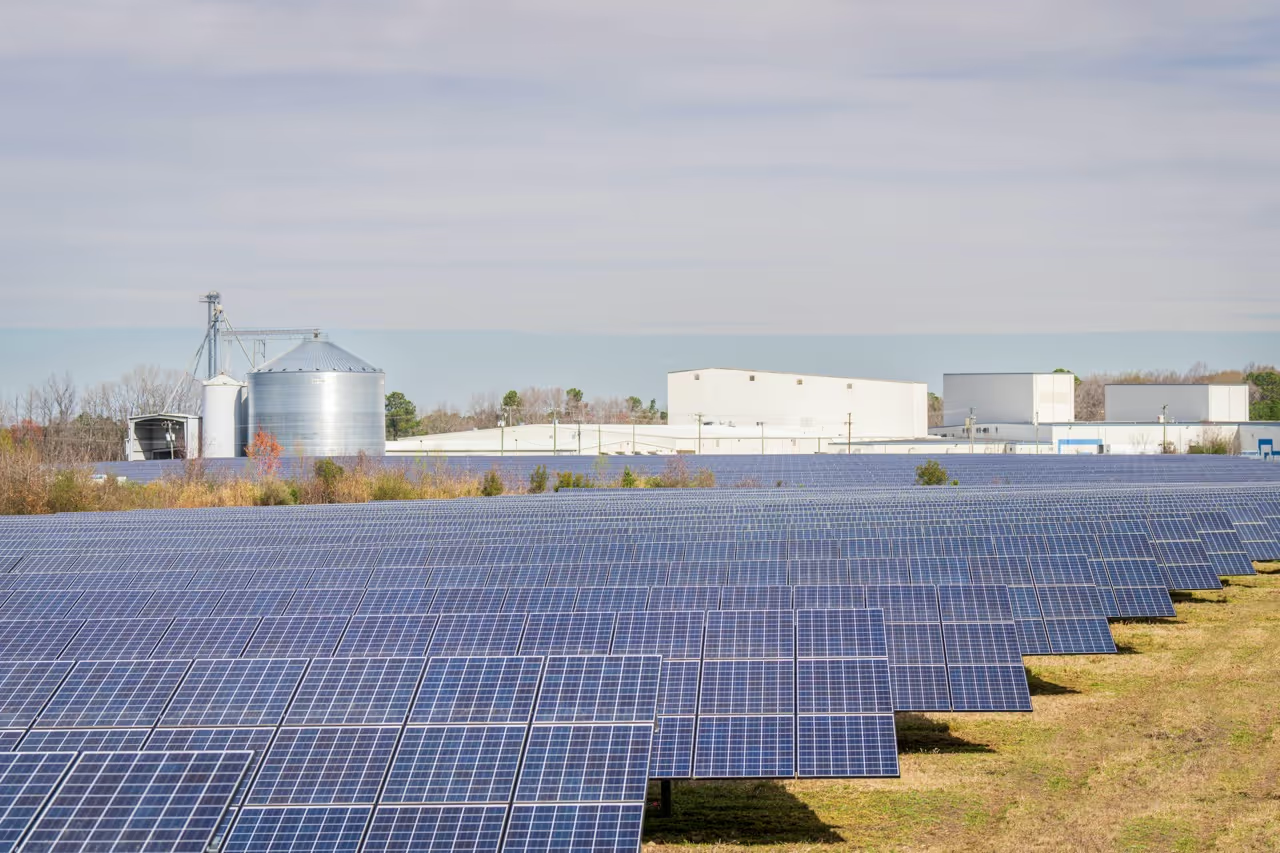
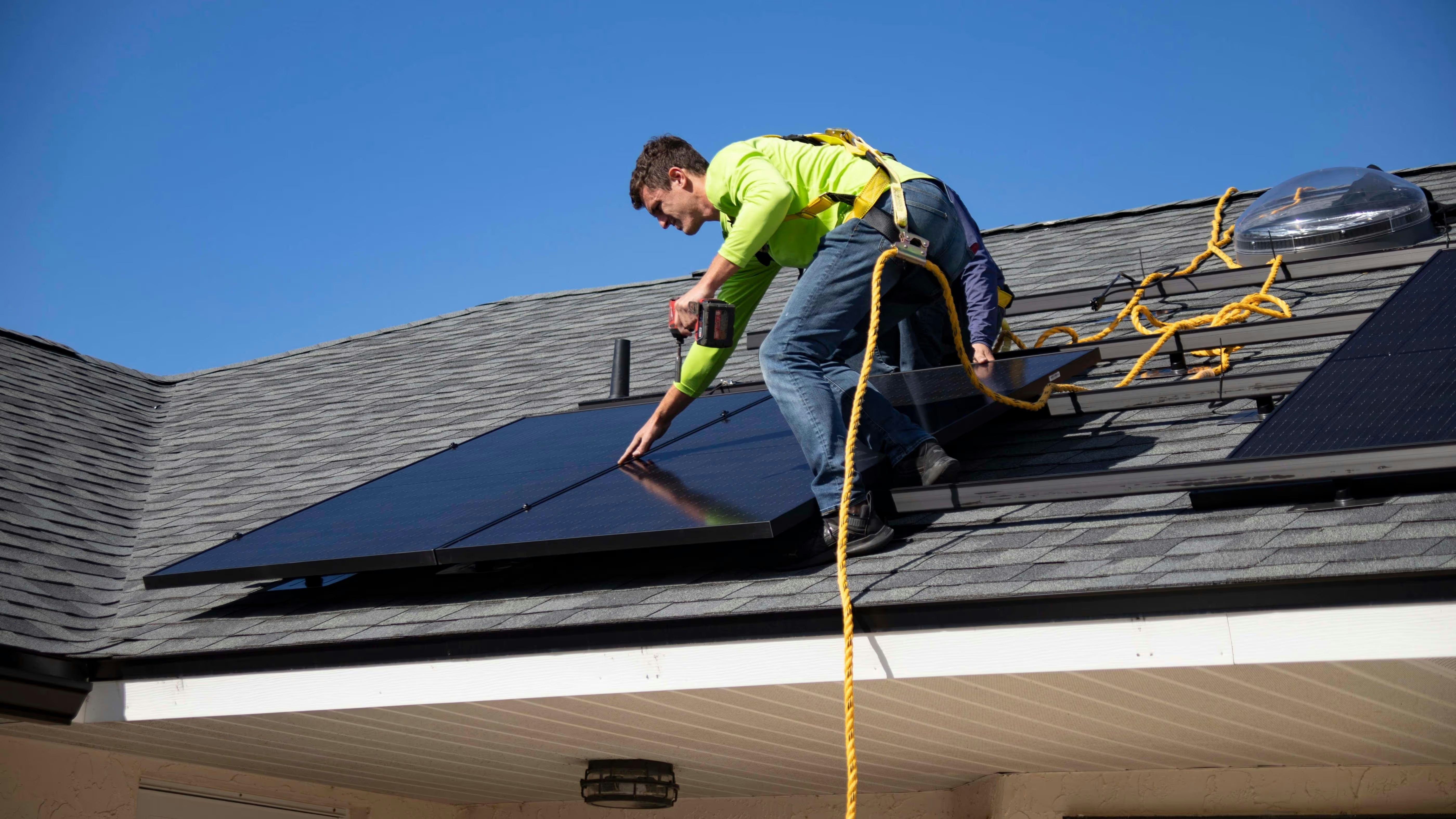
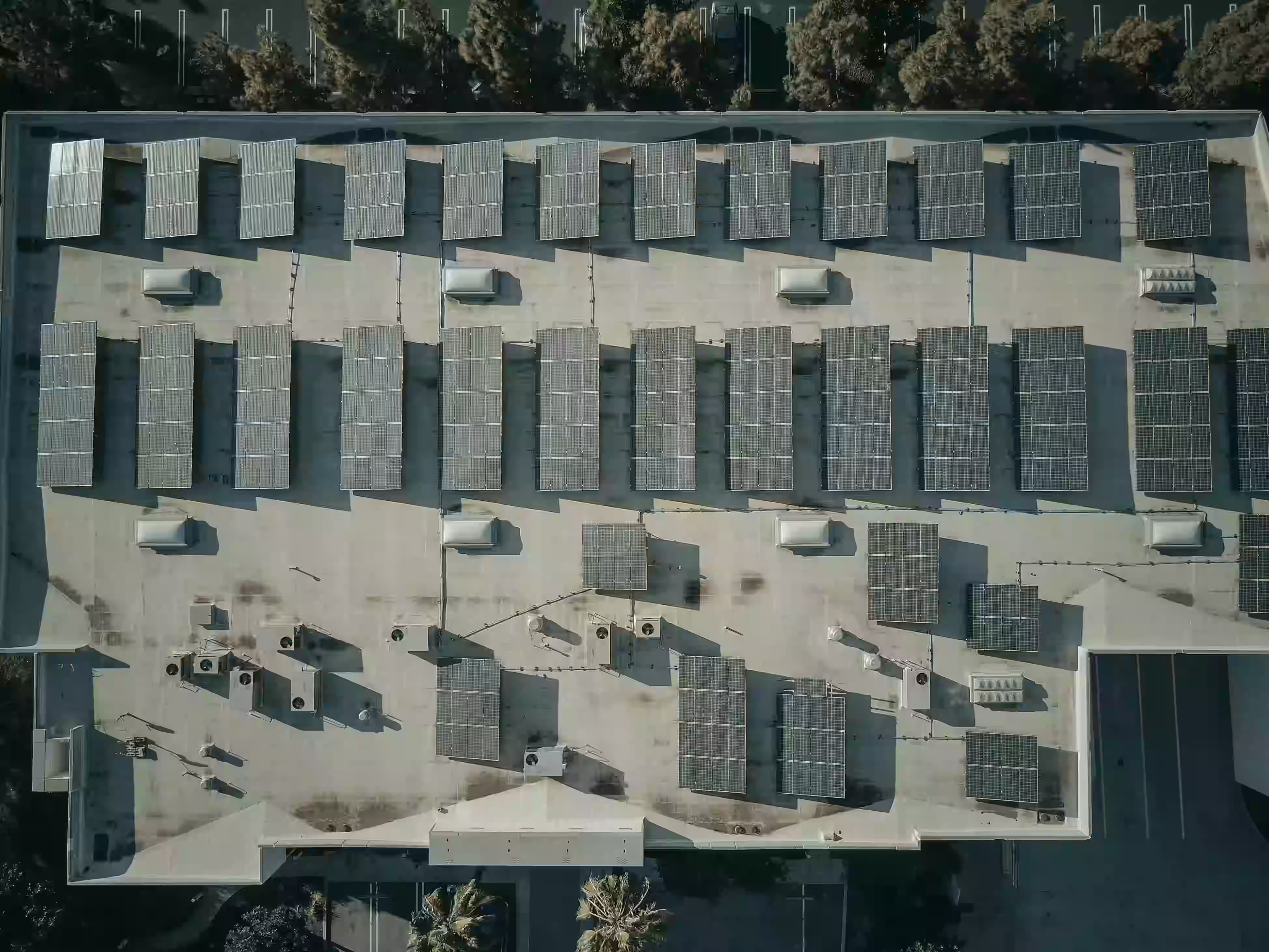
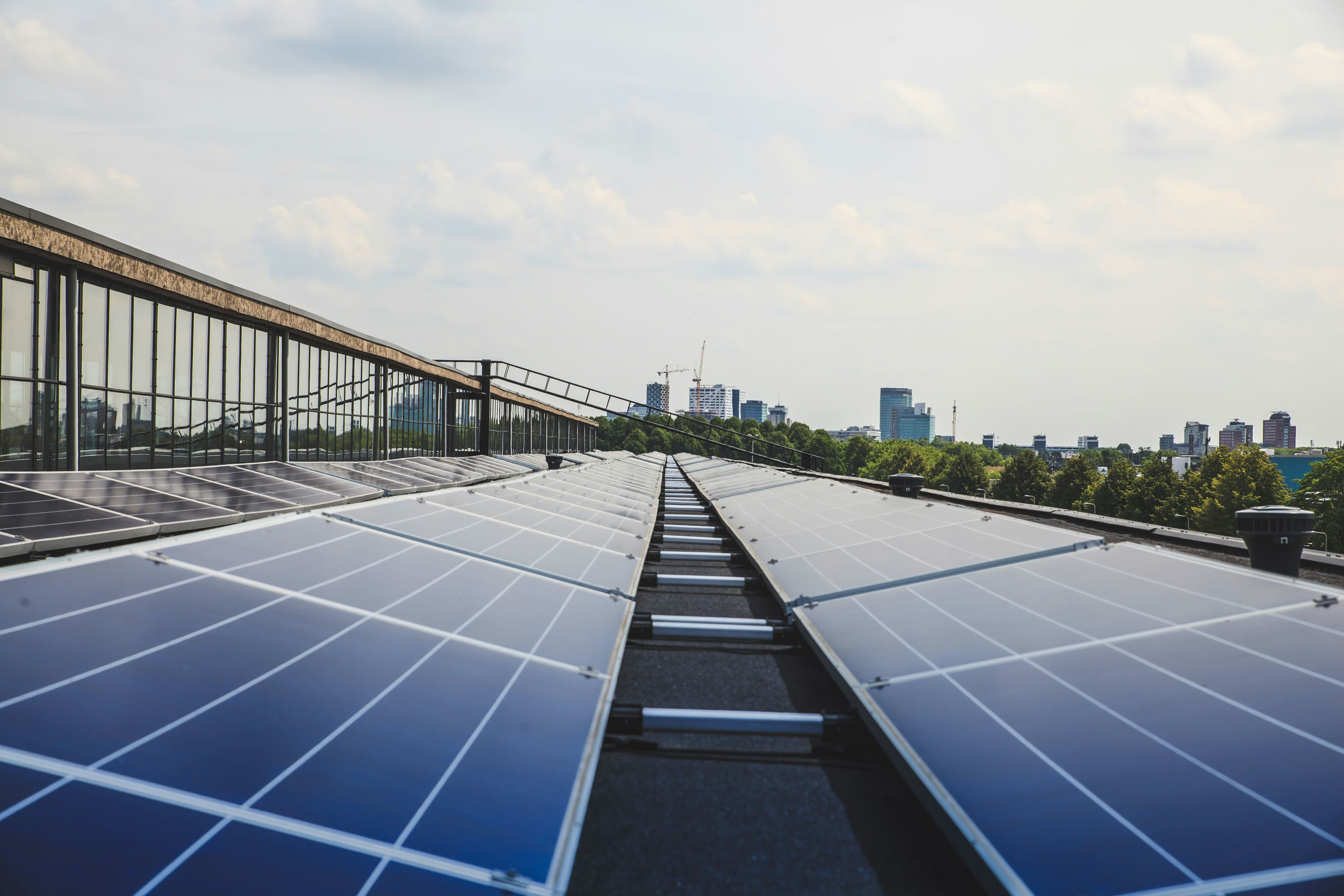
Solar capacity expanded rapidly in 2025, confirming its role as the leading source of new electricity in the EU.
19
GW
New wind installations
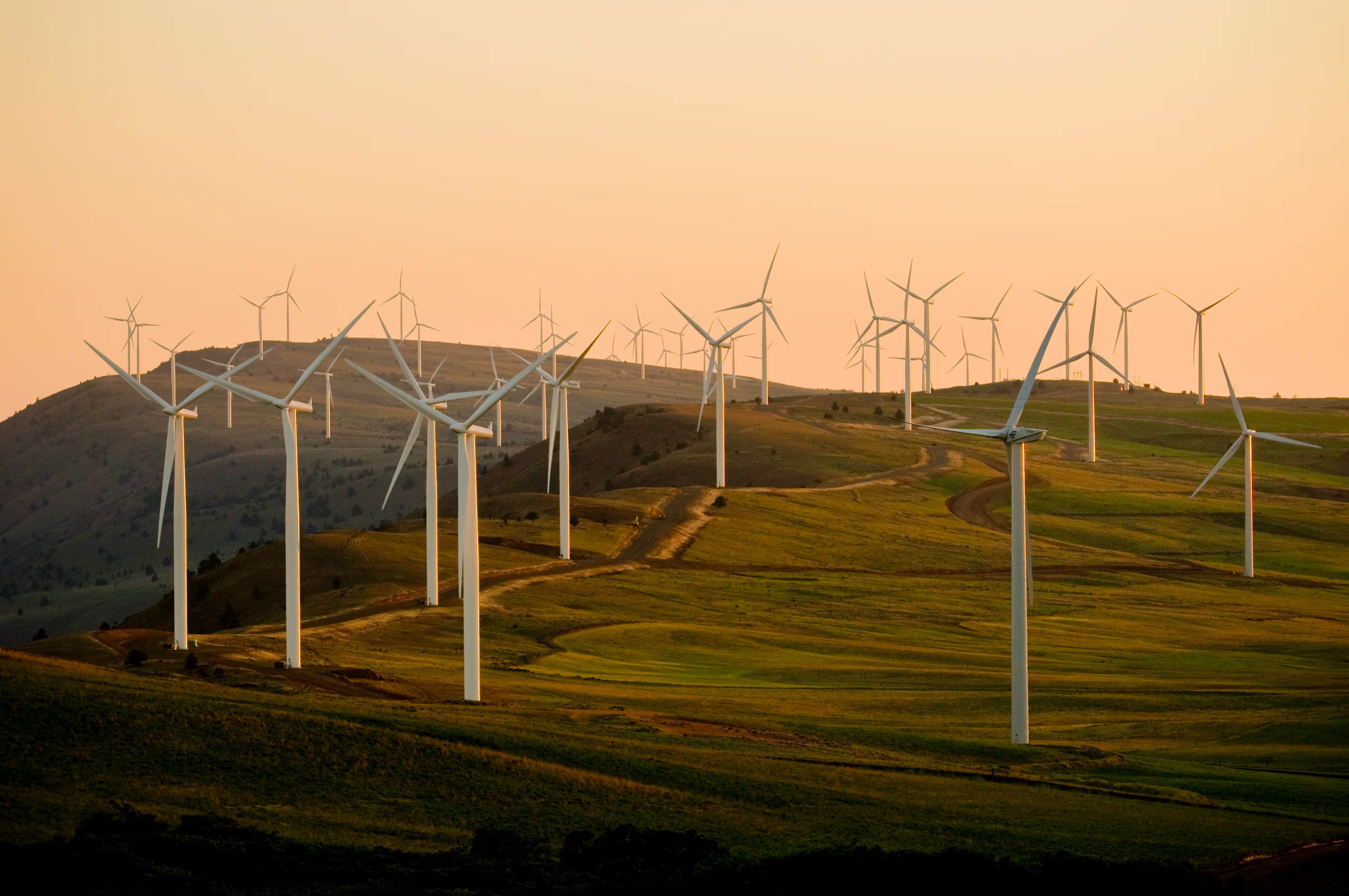
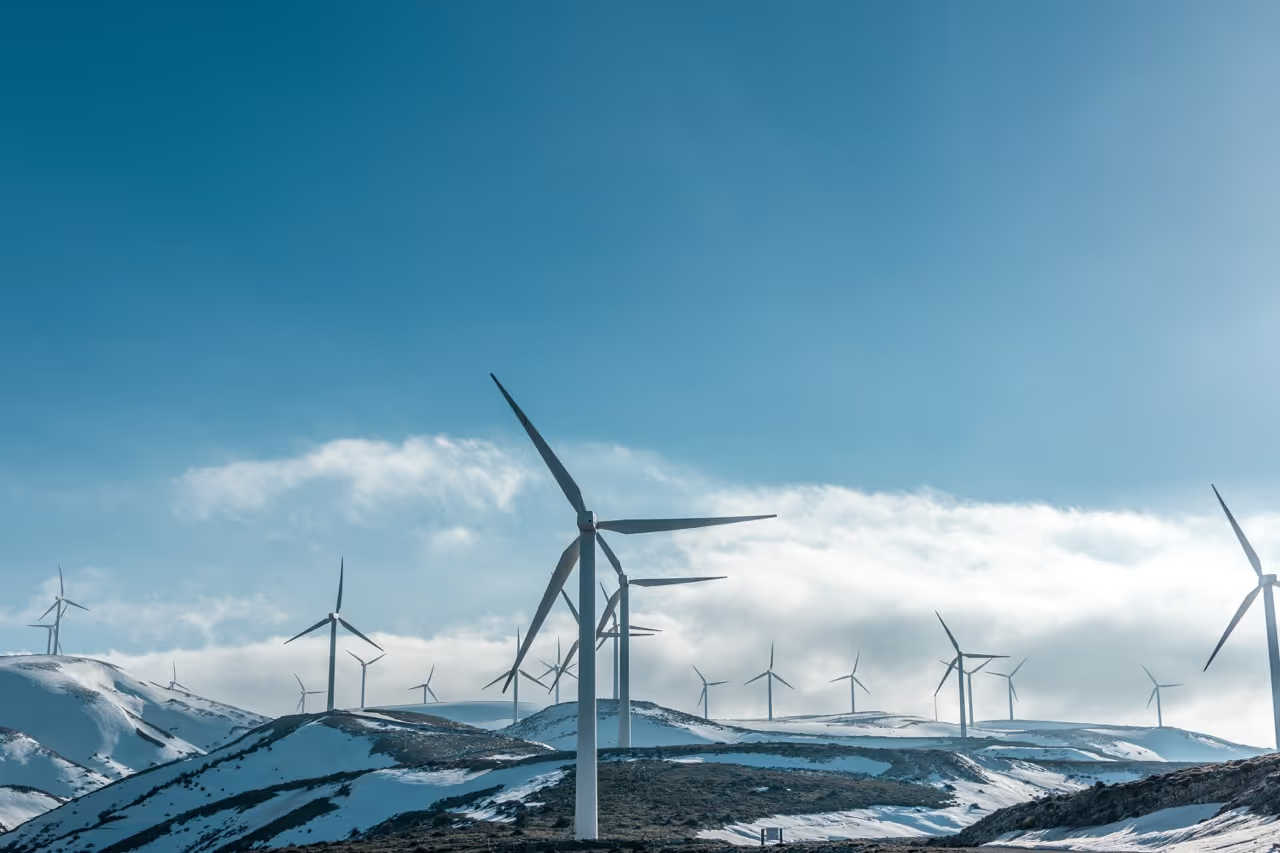
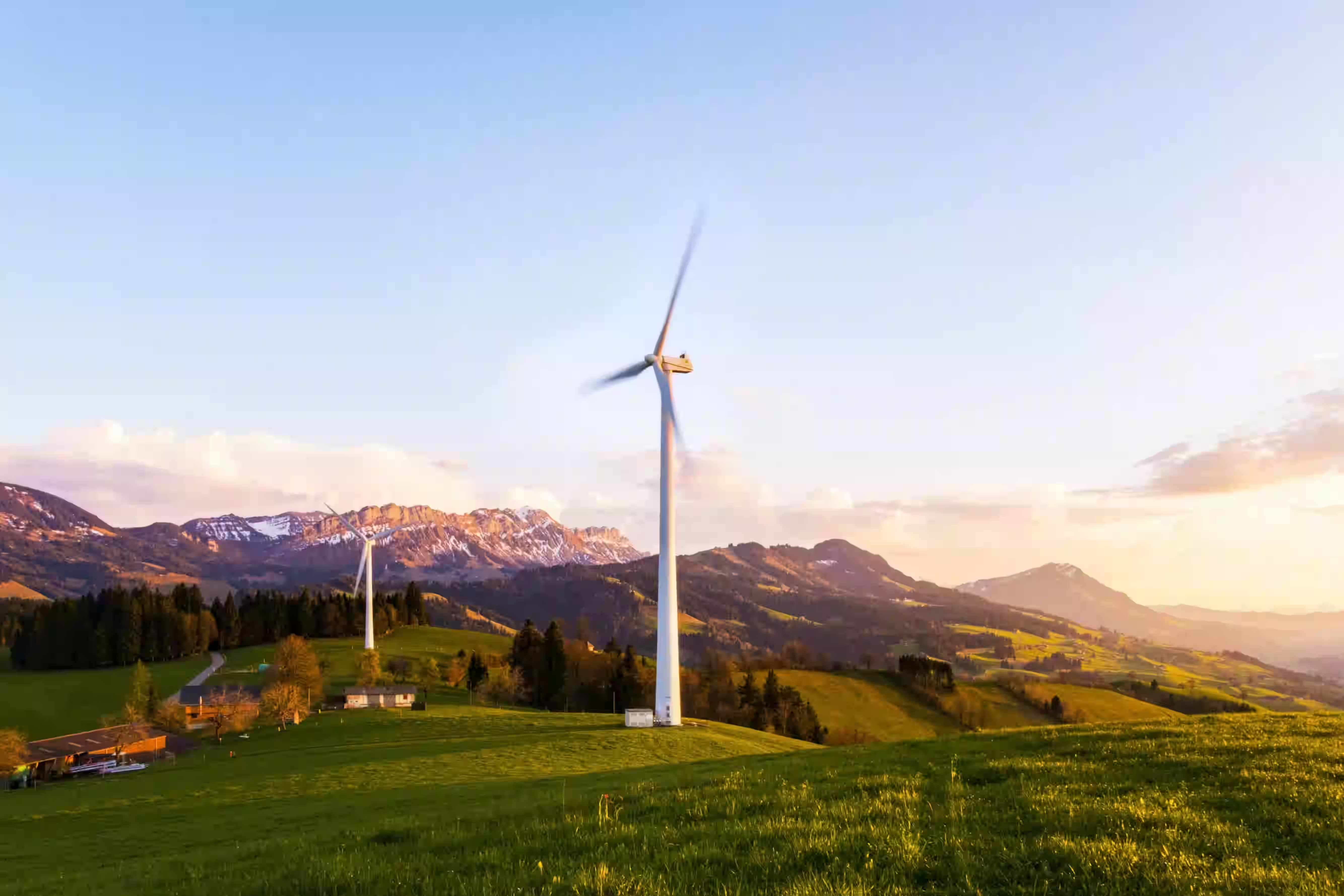
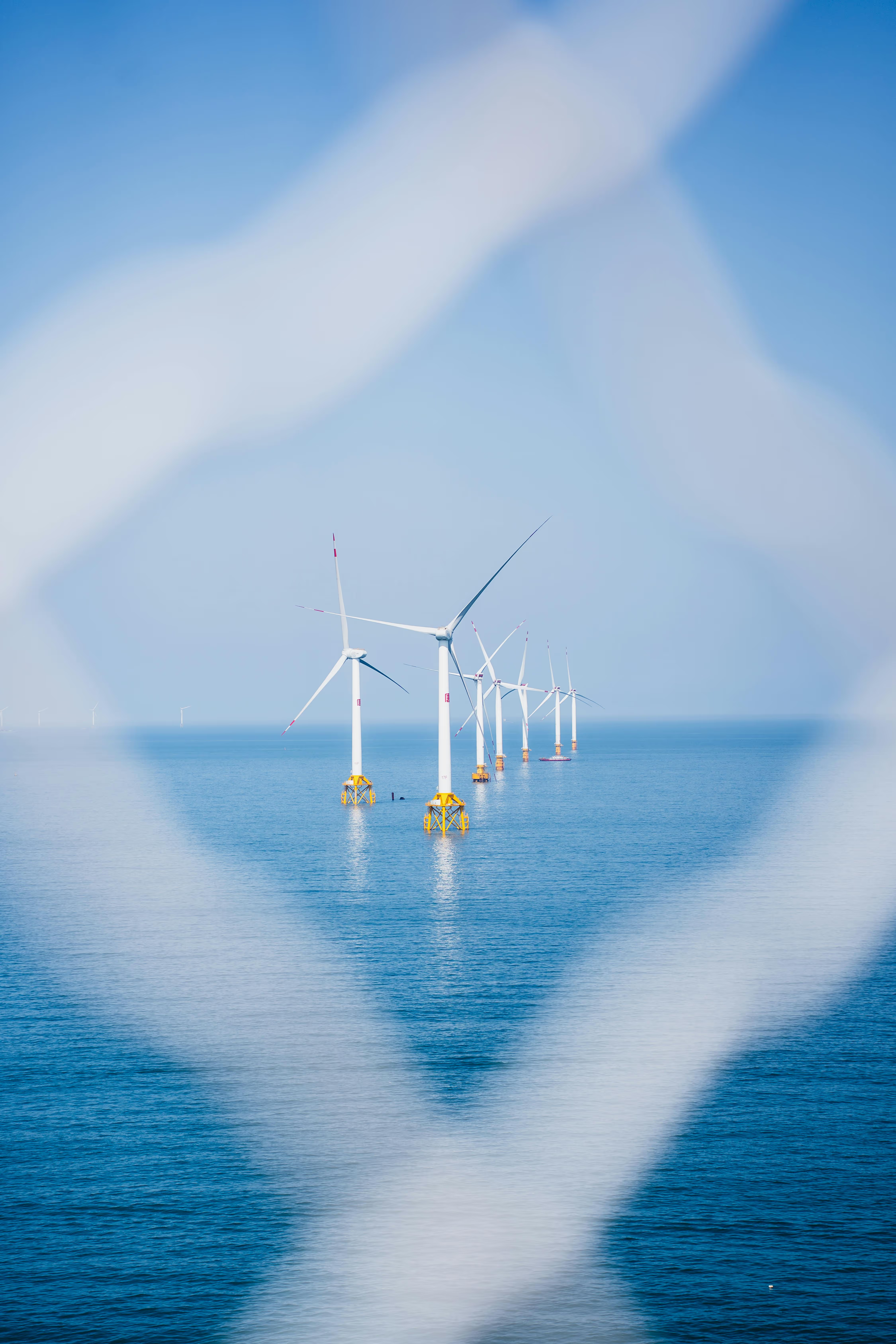
Wind projects added around 19 gigawatts of capacity, with growth driven by both onshore and offshore deployments.T
3.8
pts
Rise in renewable share
The renewable share of EU electricity increased by 3.8 percentage points compared with the same quarter a year earlier.
21
EU countries with rising renewables
In 21 EU member states, the share of renewable energy in electricity generation increased year-over-year in Q3 2025.
27,3%
49
%
share of power in the EU coming from renewables
Renewables supplied nearly half of EU electricity, marking a clear step change in the continent’s power mix.
Perspectives from the Field
As Europe’s energy landscape transforms, experts across policy, markets, and infrastructure are tracking the shifts in real time. These insights reflect what the data reveals, what challenges remain unresolved, and what the transition demands next
infrastructure
policy
technology
“The challenge now is no longer generating renewable electricity. It’s ensuring the grid can absorb, store, and distribute it when demand peaks. 2025 has proved infrastructure matters as much as capacity, and that grids are the new bottleneck.”
lena schneider
Senior Energy Systems Analyst
“Member states raised their renewable targets after the energy crisis, and for the first time, deployment is outpacing political commitments. The transition has its own momentum now, not driven by subsidies alone, but by falling costs and energy security.”
Henrik Svensson
Head of Renewable Energy Policy
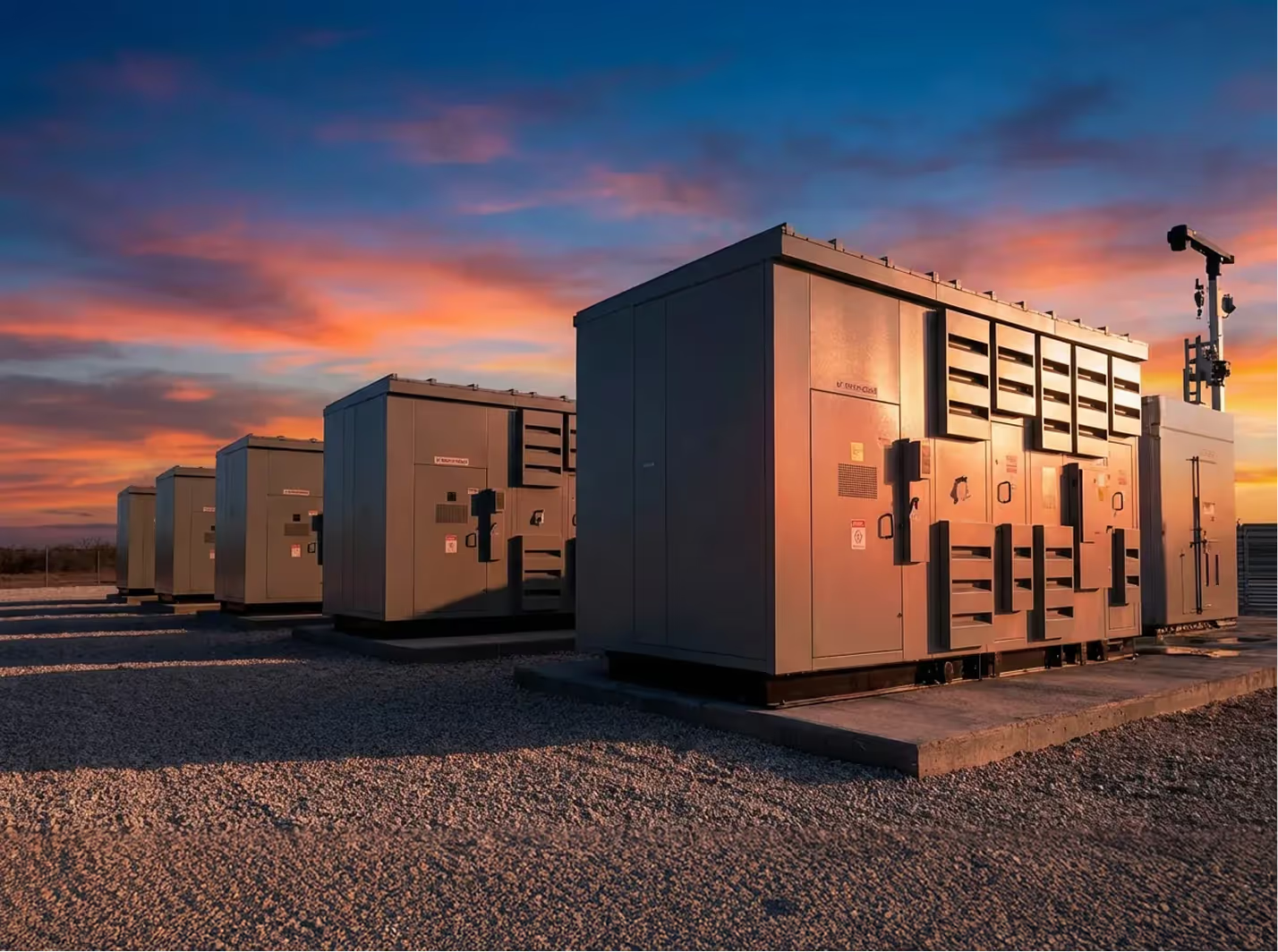
“LFP batteries now achieve 15 to 20-year lifespans at grid scale with 1 to 2% annual degradation. That fundamentally changes storage economics. When batteries last as long as solar panels, the business case for renewable integration becomes irrefutable.”
Dr. João Ferreira
Director of Energy Storage Research
The full report adds country breakdowns, infrastructure assessments, and projections to 2030. Download the complete analysis to explore how Europe’s energy system is transforming.